 listicle
Best Luxury Perfume Brands for Women: 2026 Guide
Table of Contents
- Top Luxury Perfume Brands for Women: A Quick Comparison
- 1. Radiant Essence Beauty: Accessible Luxury, Curated
- 2. Maison Francis Kurkdjian: The Modern Icon
- 3. Creed: Heritage and Natural Ingredients
- 4. Byredo: Minimalist and Artistic Scents
- 5. Tom Ford: Bold and Provocative Fragrances
- 6. Parfums de Marly: Opulent and Long-Lasting
- 7. Frédéric Malle: The Perfumer's Perfume
- How to Choose a Signature Scent
- Understanding Fragrance Families
- Eau de Parfum vs. Eau de Toilette
- How to Make Perfume Last Longer
- Seasonal Picks and Layering
- Skin Chemistry and Sustainability
- Frequently Asked Questions
Last Updated: September 27, 2026
Top Luxury Perfume Brands for Women: A Quick Comparison
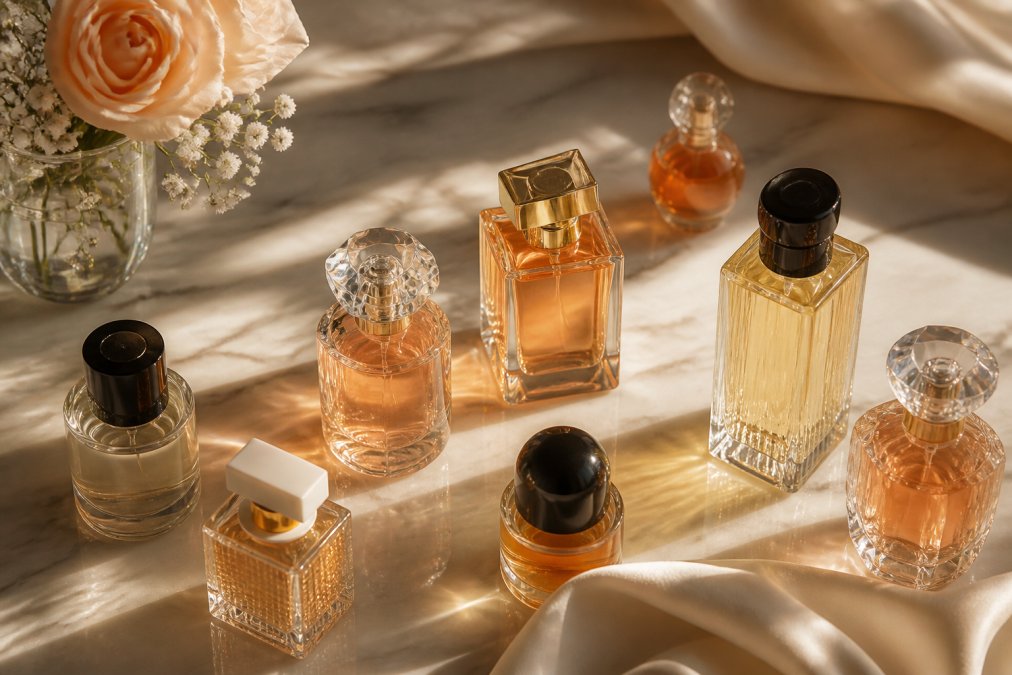
Finding the best luxury perfume brands for women comes down to matching a house's signature style to your skin and occasion. This guide from Radiant Essence Beauty breaks down seven houses worth knowing.
| Brand | Starting Price | Best For | Standout Quality |
|---|---|---|---|
| Radiant Essence Beauty | Varies | Accessible luxury shopping | Curated selection, fast delivery |
| Maison Francis Kurkdjian | $200 | Signature statement scent | Exceptional longevity |
| Creed | $300 | Heritage collectors | Natural ingredients |
| Byredo | $200 | Modern minimalists | Artistic storytelling |
| Tom Ford | $150 | Bold statements | Strong projection |
| Parfums de Marly | $250 | Opulent evenings | Rich performance |
| Frédéric Malle | $220 | Connoisseurs | Perfumer-led artistry |
| Dior & Chanel | $120-$130 | Timeless classics | Wide availability |
1. Radiant Essence Beauty: Accessible Luxury, Curated
Radiant Essence Beauty is your premier online destination for a fast, user-friendly, and customer-service-oriented shopping experience, offering a diverse selection of high-quality beauty products from professional skincare to luxury makeup and perfume. Leveraging years of industry experience, we make premium beauty accessible through affordable prices, ensuring every customer receives exceptional value and convenience.
2. Maison Francis Kurkdjian: The Modern Icon
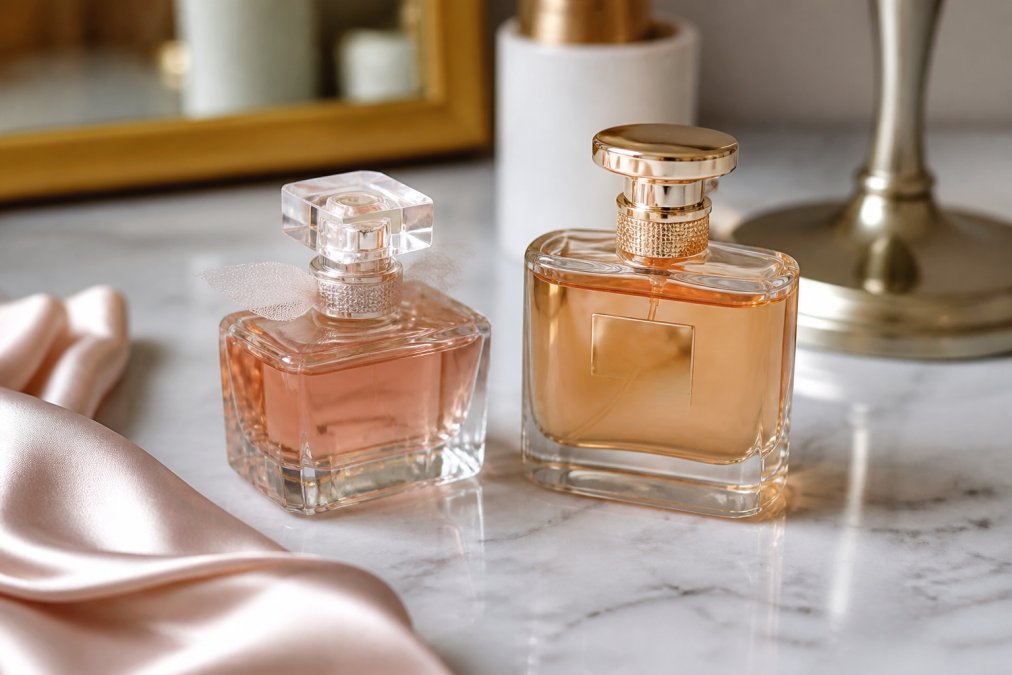
MFK built its reputation on high-concentration compositions, and Baccarat Rouge 540 made it a household name among fragrance lovers. Quality raw materials and complex profiles linger for hours.
3. Creed: Heritage and Natural Ingredients
Creed is a historic house known for hand-blended, heritage-inspired fragrances and traditional infusion techniques, ideal if you value natural ingredients and a classic aesthetic.
4. Byredo: Minimalist and Artistic Scents
Byredo pairs minimalist packaging with unconventional scent combinations. The bottles look designed for a shelf, and the scents tell a story rather than chase a trend.
5. Tom Ford: Bold and Provocative Fragrances
Tom Ford fragrances are intense, complex, and unapologetic, with a wide range of unisex and feminine options, strong projection, and sophisticated branding.
6. Parfums de Marly: Opulent and Long-Lasting
Parfums de Marly blends 18th-century French royalty inspiration with contemporary perfumery, producing rich, opulent profiles with excellent performance and elegant, heavy-weighted bottles.
7. Frédéric Malle: The Perfumer's Perfume
Frédéric Malle operates like a publisher, collaborating with world-class perfumers on artistic, uncompromising scents. High concentrations of essences give these compositions depth and complexity.
How to Choose a Signature Scent
Choosing a signature scent means testing on your own skin, not paper. Spray pulse points, wait thirty minutes for the dry down, and judge how the base notes settle before buying.
Understanding Fragrance Families
Fragrance families group scents by dominant notes and accords. The four core families are floral, woody, oriental, and fresh, and most luxury perfumes blend two or more.
Eau de Parfum vs. Eau de Toilette
Eau de parfum carries a higher concentration of aromatic compounds than eau de toilette, meaning greater longevity and projection. Extrait de parfum tops the scale, with the richest concentration and highest price.
How to Make Perfume Last Longer
Perfume lasts longest on moisturized skin at pulse points, where body heat releases the scent trail. Dry skin sheds fragrance faster, so apply an unscented lotion first.
- Spray on wrists, neck, and behind the ears
- Avoid rubbing your wrists together, which crushes the top notes
- Apply right after a shower, while skin is still hydrated
- Layer with a matching body lotion when available
- Store bottles away from direct sunlight and heat
Seasonal Picks and Layering
Seasonal rotation is the fastest way to get more from a fragrance wardrobe. Warm weather amplifies projection, so citrus, green, and aquatic compositions read as refreshing rather than cloying; cool air suppresses diffusion, which is why amber, oud, vanilla, and woody-resin accords that feel heavy in July feel balanced in January. A common pattern is to keep one fresh eau de toilette for daytime heat and one eau de parfum or extrait for cold-weather evenings, then bridge the shoulder seasons with a floral or soft woody scent.
The three layering methods
- Same-family stacking. Combine two scents from the same family (two florals, two woods) to add dimension without conflict. Example: a rose-forward eau de parfum over a peony body lotion deepens the floral without changing its character.
- Contrast pairing. Pair one note the two fragrances share with one note they do not. A vanilla base under a citrus top works because the shared sweetness bridges the two; a smoky oud under a clean white floral works because the contrast is intentional.
- Base-and-top layering. Apply a heavier, longer-lasting scent first (the base), then a lighter, brighter scent on top. The base anchors longevity; the top note delivers the opening impression.
Skin Chemistry and Sustainability
Two questions separate a confident luxury purchase from a regretful one: why does this perfume smell different on me than on my friend, and what is actually inside the bottle? Here is the mechanism behind each.
Why the same perfume smells different on different people
Skin chemistry is not a marketing phrase, it is a set of measurable variables that change how a fragrance evolves after it leaves the bottle.
- Sebum and oil levels. Oily skin holds fragrance molecules longer and can amplify heavier base notes; dry skin releases them faster, which is why the same eau de parfum can fade in three hours on one person and last eight on another.
- Skin pH. The slightly acidic film on your skin (typically in the pH 4.5-5.5 range) interacts with aromatic compounds differently depending on your individual balance. A rose note that reads bright on one person can read sour or soapy on another.
- Body temperature. Higher body heat accelerates evaporation, pushing top notes out faster and pulling base notes forward sooner. This is why a fragrance can smell completely different on a warm summer day than in air conditioning.
- Diet, medication, and hormones. These shift sebum composition and skin pH over time, which is why a signature scent you wore for years can suddenly smell "off", it is usually you, not the formula.
- Moisture barrier. Hydrated skin holds scent longer. This is the single most controllable variable: an unscented lotion before application can extend wear by hours.
Sustainability and clean formulation in luxury fragrance
High-end fragrance has a sourcing problem the industry is only beginning to address openly. Natural ingredients like sandalwood, oud, and certain florals are resource-intensive, and synthetic alternatives, once considered a compromise, are increasingly positioned as the more responsible choice because they reduce pressure on wild plant populations and produce a more consistent, reproducible scent.
- Ingredient sourcing disclosure. Houses that publish where their raw materials come from, or that participate in recognized sustainable-sourcing programs, are easier to trust than those that use "natural" as a vague marketing term.
- IFRA compliance. The International Fragrance Association sets safety standards for fragrance ingredients (IFRA Standards). Compliance is a baseline, not a differentiator, but a house that cannot confirm it is a red flag.
- Refill and recycling programs. Several luxury houses now offer refillable bottles or take-back programs, which reduce glass and packaging waste. Ask before you buy, the answer tells you how seriously the brand treats the issue.
- Vegan and cruelty-free status. These are separate claims. A fragrance can be vegan (no animal-derived ingredients) without being cruelty-free (not tested on animals), and vice versa. Check both if either matters to you.
- Packaging. Heavy glass and oversized boxes are a hallmark of luxury presentation but a sustainability liability. Some houses now offer lighter packaging or recycled materials without sacrificing the unboxing experience.
IFRA standards for fragrance ingredient safety
Frequently Asked Questions
What is the most luxurious perfume brand for women?
There is no single 'most luxurious' brand, as luxury is subjective. Houses like Maison Francis Kurkdjian and Creed are often cited for their high-quality ingredients and craftsmanship. However, the best luxury perfume for you depends on your personal scent preference and how a fragrance interacts with your skin chemistry. We recommend sampling a few from our list to find your perfect match.
How do I choose a luxury perfume that suits my personality?
Start by identifying scent families you are drawn to. If you love fresh, clean scents, explore citrus or aquatic notes. For a warm, inviting aura, look at oriental or woody fragrances. Consider your lifestyle: a light eau de toilette for daytime and a richer eau de parfum for evenings. Testing on your skin, not just paper, is crucial because body chemistry alters the final scent.
What is the difference between Eau de Parfum and Eau de Toilette?
The main difference is fragrance concentration. Eau de Toilette (EDT) typically contains 5-15% aromatic compounds, offering a lighter scent that lasts 3-4 hours. Eau de Parfum (EDP) has a higher concentration, usually 15-20%, providing a richer, longer-lasting experience of 5-8 hours. For special occasions or long days, an EDP is often the better choice, while EDTs are great for a subtle, fresh feel.
How can I make my luxury perfume last longer?
To extend longevity, apply your perfume to pulse points like wrists, neck, and behind the ears. These areas emit heat, which helps diffuse the scent. Ensure your skin is well-moisturized before application, as dry skin can cause fragrance to fade faster. You can also layer your scent with a matching body lotion or use a primer specifically designed for fragrance.
Are expensive perfumes really better than affordable ones?
Higher-priced perfumes often use higher concentrations of natural essences and superior synthetic molecules, which can result in more complex scents and better longevity. However, price does not always guarantee a better match for your personal taste. Many affordable brands create excellent fragrances. The key is to find a scent that you love and that performs well on your skin, regardless of the price tag.
Luxury fragrance rewards patience. The houses above each offer something distinct, but finding the right bottle for your skin and your routine takes testing, not guesswork. Radiant Essence Beauty makes that process easier with a fast, user-friendly online shop, competitive pricing on high-quality beauty products, and a customer-service team ready to answer questions before you buy. Get started with Radiant Essence Beauty and build a scent wardrobe you actually wear.