 How-to
How to Choose Makeup for Skin: A 2026 Guide
Table of Contents
- How to Choose Makeup for Skin: Start With Preparation
- How to Find Your Skin Undertone
- How to Test Foundation Shades on Your Jawline
- Makeup for Different Skin Types: Oily, Dry, Combination, and Sensitive
- Best Makeup Colors for Your Skin Tone
- Beyond Foundation: Eye, Cheek, and Lip Choices
- Seasonal Shifts, Wear Testing, and Remote Shade Matching
- Frequently Asked Questions
Last Updated: October 13, 2026
How to Choose Makeup for Skin: Start With Preparation
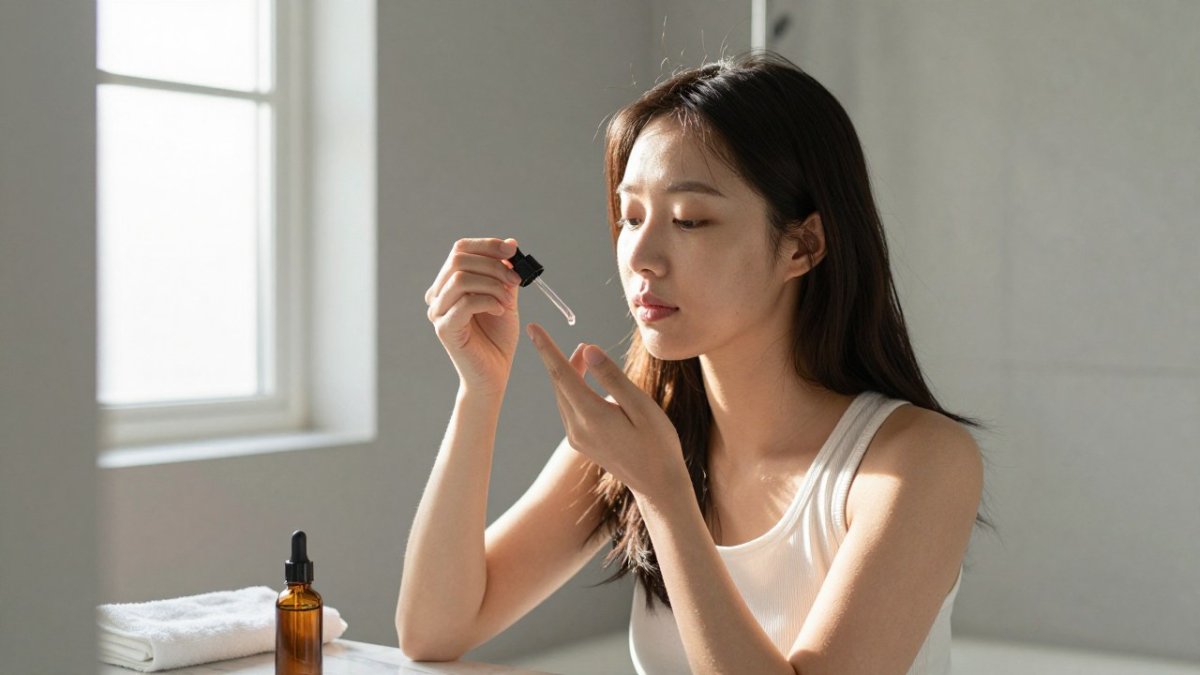
Learning how to choose makeup for skin starts with preparation, not the beauty aisle. Clean, hydrated skin holds color better, blends smoother, and shows fewer patchy spots by midday.
At Radiant Essence Beauty, shoppers ask us weekly why a product looks great in-store but wrong at home. The answer is usually preparation, not the product.
Here is the simple routine to run through before you shop or swatch:
- Cleanse with a gentle, non-stripping face wash
- Exfoliate lightly once or twice a week, not daily
- Apply moisturizer and let it absorb for 10 minutes
- Wait at least 15 minutes before testing any color
Cleanse, Exfoliate, and Moisturize Before You Shop
Skip this step and every shade reads slightly off: dry patches grab pigment unevenly, and oily zones break down formula within hours.
A common mistake is testing makeup right after washing: freshly cleansed skin is tighter and paler than it will be an hour later, so let it settle first.
If you use a treatment serum or acne product, test makeup on a normal skin day, strong actives shift how color sits on the surface.
How to Find Your Skin Undertone
Your undertone is the natural hue beneath your skin's surface, and it stays the same all year, while skin tone (how light or dark you are) changes with sun exposure.
There are three main types:
- Warm: golden, yellow, or peachy hints
- Cool: pink, red, or bluish hints
- Neutral: a balance of both
- Olive: a green or gray cast, often missed by basic quizzes
Most people fall between categories, which is why testing beats guessing every time.
The White vs Cream Test and Vein Check
Two quick tests can point you in the right direction.
The white versus cream test: Hold a pure white cloth near your bare face, then a cream one. If white flatters you more, you likely lean cool; if cream looks softer, you likely lean warm.
The vein check: In daylight, blue or purple veins on your inner wrist suggest cool, green suggests warm, and a mix suggests neutral.
Neither test is perfect. Use them together, and treat the result as a starting point rather than a final answer.
How to Test Foundation Shades on Your Jawline
Testing foundation shades is the step most people rush, yet it decides whether your color match works: the right shade disappears, the wrong one leaves a visible line.
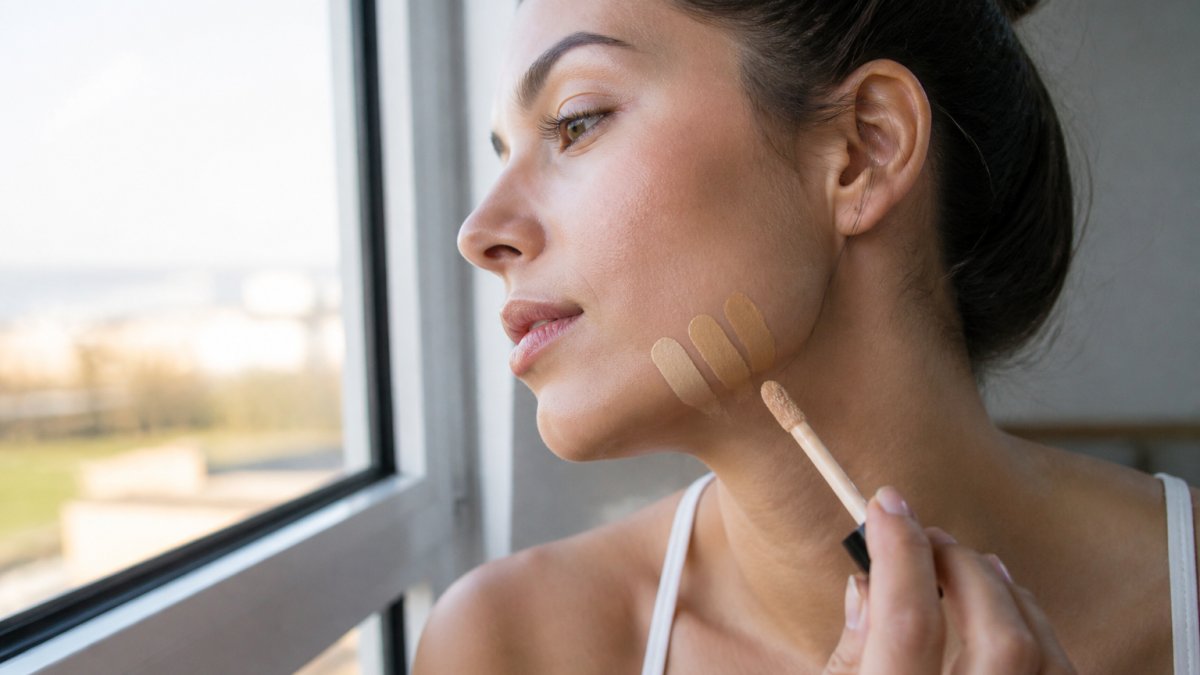
Here is how to test properly:
- Pick three shades close to your tone: one lighter, one matching, one darker
- Apply a short stripe of each along your jawline
- Blend the edges with a clean finger or sponge
- Step into natural light and look straight ahead
- Wait 15 to 20 minutes before you judge
The shade that vanishes is your match. If two shades both look close, pick the one that leans warmer or more neutral rather than cooler.
Natural Light Testing and Oxidation Checks
Store lighting lies, warm bulbs and bright white LEDs both shift how color reads. Confirm matches near a window with indirect daylight.
Then watch for oxidation, when foundation reacts with your skin's oils and darkens or turns orange. It is a common reason a "perfect" match looks wrong by lunch.
If a shade darkens after 20 minutes, go one step lighter or switch formulas. Water-based options oxidize less on most skin.
Makeup for Different Skin Types: Oily, Dry, Combination, and Sensitive
Skin type decides formula, not color. Get it right and makeup lasts; get it wrong and even a perfect shade match will slide, cake, or flake.
| Skin Type | Best Formula | Finish to Look For | Avoid |
|---|---|---|---|
| Oily | Oil-free, water-based, or gel | Matte or soft matte | Heavy oils, thick creams, coconut oil |
| Dry | Hydrating, cream-based, or serum | Dewy or luminous | Powders, matte formulas, alcohol-heavy toners |
| Combination | Lightweight liquid | Natural or satin | Very matte or very dewy all over |
| Sensitive | Fragrance-free, short ingredient list | Natural | Alcohol, essential oils, heavy fragrance |
| Acne-prone | Non-comedogenic, oil-free | Natural to soft matte | Comedogenic oils, bismuth oxychloride |
Oily skin needs oil control because excess sebum breaks down emollients and pigments, so a matte formula can look greasy by noon.
Dry skin needs moisture first because flaky cells grab pigment unevenly. Cream and serum foundations sit better; apply a hydrating primer or rich moisturizer and let it absorb 10 minutes.
Combination skin is two skin types on one face.
Sensitive skin reacts to ingredients, not just color. Fragrance is the top trigger, followed by alcohol and essential oils.
Acne-prone skin needs coverage that does not clog pores and ingredients that do not inflame breakouts. Non-comedogenic is a claim, not a guarantee, since reactions vary. Salicylic acid and niacinamide are common additions; avoid heavy oils and bismuth oxychloride.
Best Makeup Colors for Your Skin Tone
Color choice follows two variables: depth (how light or dark your skin is) and undertone (the warm, cool, neutral, or olive cast beneath the surface).
Treat them as two dials. Set depth first, then adjust for undertone.
Warm undertones glow in peach, coral, gold, bronze, and warm brown. Terracotta blush and copper eyeshadow tend to look rich rather than harsh. On deeper warm skin, brick, amber, and burnt orange read as neutral rather than loud.
Cool undertones suit rose, berry, plum, silver, and cool pink. A true red lip reads classic on cool skin. On deeper cool skin, wine, fuchsia, and jewel-toned purple flatter without turning ashy.
Neutral undertones can wear most shades. Soft mauve, dusty rose, and taupe are safe, flattering picks across a wide depth range.
Olive undertones do best with warm greens, bronze, brick red, and muted berry; avoid cool, ashy tones that look gray.
Depth Matters as Much as Undertone
A fair cool complexion and a deep cool complexion do not wear the same "cool" colors. Cool pinks and soft berries read fresh on fair skin but look chalky on deep skin, where richer berries, plums, and true reds carry instead. As depth increases, saturation can too, deeper skin holds more pigment, so pastels often disappear.
This is the gap most warm-versus-cool quizzes miss. If a shade looks wrong and you cannot tell why, check depth before you blame undertone.
Seasonal Shifts and Mixing Shades
Your best shade in January is not always your best in July. Sun exposure deepens skin tone even with daily sunscreen, so many people need two foundation shades: one for winter, one for summer. The same applies to blush and bronzer, a summer bronzer can look muddy in winter.
If you fall between two shades, buy both and mix. A 1:1 ratio of your winter and summer shades often covers spring and fall. Mix on the back of your hand or a small palette, not directly in the bottle, so you keep both shades intact.
Coordinating Color Across Blush, Lip, and Eye
Once you know your depth and undertone, build a coordinated palette instead of buying products in isolation:
- Blush: match the flush your cheeks turn after a light workout. That is your skin's own reference point.
- Lip: stay in the same undertone family as your blush. A warm coral blush pairs with a warm peach or brick lip; a cool rose blush pairs with a berry or mauve lip.
- Eye: use one or two neutrals that echo your undertone, then add a single accent shade for evenings. Warm skin wears bronze and copper; cool skin wears taupe and charcoal; olive skin wears bronze and olive green.
Beyond Foundation: Eye, Cheek, and Lip Choices
Foundation is only one piece, eyes, cheeks, and lips each have their own rules.
Eyes: Start with two or three neutral shades that suit your undertone. Add one accent color for evenings. Cream shadows work well on dry lids; powder lasts longer on oily ones.
Cheeks: Cream blush suits dry and mature skin because it melts in. Powder blush suits oily skin and holds longer. Place color on the apples of your cheeks and blend up toward the temple.
Lips: Satin and cream finishes flatter dry lips. Matte lasts longer but can settle into lines. A lip liner helps define shape and stops feathering.
Face shape matters here too. Round faces benefit from blush swept slightly upward. Longer faces look balanced with color placed wider across the cheeks.
Seasonal Shifts, Wear Testing, and Remote Shade Matching
Wear testing is the only real proof. Apply your full routine in the morning and check three points:
- Two hours in: is it still even?
- Five hours in: has it oxidized or faded?
- End of day: did it settle into lines or patch?
If it fails at any point, the formula is the problem, not the shade.
Shopping online adds a challenge. To match your shade from home:
- Read the shade descriptions and compare them to a foundation you already own
- Check customer photos in reviews, not just the brand's model images
- Look for brands that offer sample sizes or shade finder tools
- Order two close shades if you are unsure, and return the one that misses
We built Radiant Essence Beauty around this exact problem: a fast, user-friendly online shopping experience with real product details, so you can match your shade with confidence before you buy.
Choosing makeup that works for your skin comes down to three things: knowing your undertone, testing in natural light, and matching formula to skin type. It takes patience but saves money and frustration.
Radiant Essence Beauty makes that process easier, with a wide selection of high-quality makeup and skincare at affordable prices, a fast and user-friendly shopping experience, and a customer-service team that helps you find the right product the first time. Shop now at Radiant Essence Beauty and build a routine that fits your skin.
Frequently Asked Questions
How do you choose makeup for your skin tone and undertone?
Start by identifying your undertone: warm, cool, or neutral. Check your veins (greenish means warm, bluish means cool, a mix means neutral) and try the white versus cream test. Then match foundation to your jawline in natural light. For color cosmetics, warm undertones suit peach, coral, and gold, while cool undertones suit pink, berry, and silver. Neutral undertones can wear both. This approach helps you choose makeup that looks harmonious rather than mask-like.
How can you tell whether you have warm, cool, or neutral undertones?
Look at the veins on your inner wrist in daylight. Greenish veins usually indicate a warm undertone, bluish or purple veins suggest cool, and a mix of both points to neutral. Another test: hold a white and a cream cloth against your bare face. If white flatters you, you likely lean cool; if cream looks better, you lean warm. Olive undertones often appear as a greenish-gold cast and can be neutral or warm.
How do you test foundation shades to find the right match?
Apply three shades in vertical stripes along your jawline, from cheek to neck. Blend each slightly and wait 10 minutes for oxidation. Check the result in natural daylight, not indoor lighting. The shade that disappears into your skin is your match. If you are between shades, choose the lighter one for dry skin or the darker one for oily skin, as oxidation tends to darken foundation over time.
How should you choose makeup for oily, dry, or sensitive skin?
For oily skin, look for oil-free, matte or long-wearing formulas labeled non-comedogenic. Dry skin benefits from hydrating, dewy or luminous finishes with ingredients like hyaluronic acid or glycerin. Sensitive or acne-prone skin should avoid fragrances, alcohol, and heavy silicones; choose mineral or fragrance-free products. Combination skin often does best with a mattifying primer on the T-zone and a hydrating foundation elsewhere. Always patch-test new products on your jawline for 24 hours.