 blog
Is It Worth Buying Expensive Perfume Samples?
Last Updated: November 20, 2026
Quick Summary
Yes, expensive perfume samples are usually worth buying before a full bottle. A sample costs far less than a wrong $250 purchase, and testing it on your own skin over several days reveals how a scent really develops.
- A full bottle's lower per-milliliter price only helps if you actually wear the scent.
- Test a sample on your skin for four days: skin, clothing, real context, then repeat.
- Record how the scent changes at 15 minutes, 2 hours, and bedtime, not just at first spray.
- Skin chemistry, season and setting can change how a perfume smells, so treat first impressions as provisional.
- Buy the full bottle after the scent passes testing on at least two separate days.
Table of Contents
- Why Expensive Perfume Samples Are Worth Considering
- Perfume Samples vs Full Bottles: Cost, Size and Value
- How to Test Perfume Before Buying: A Repeatable Protocol
- Luxury Perfume Sample Cost: What You Actually Pay
- Are Perfume Sampler Kits Worth the Money?
- Skin Chemistry, Season and Context: When a Sample Misleads
- Deciding When a Full Bottle Is Worth It
- Frequently Asked Questions
Why Expensive Perfume Samples Are Worth Considering
Buying a $300 bottle of perfume based on a magazine ad is a gamble most shoppers lose. Expensive perfume samples let you test a fragrance on your own skin before committing to a full bottle, and for many buyers that small purchase is the smartest move they make all year.
The case for samples rests on three things. First, fragrance is personal. A scent that smells elegant on a paper strip can turn sour or sharp once it mixes with your skin chemistry. Second, luxury and niche perfumes are expensive enough that a wrong choice stings. Third, a sample lets you live with a scent for a day or two, which is far more revealing than a single spritz in a store.
The real question isn't whether samples are worth buying. It's whether the cost of a sample is justified compared with the cost of a blind full-bottle purchase. The sections below break that down.
Perfume Samples vs Full Bottles: Cost, Size and Value
A full bottle is almost always cheaper per milliliter, but that only matters if you actually wear the scent. Samples cost more per milliliter, and that premium buys down the risk of a wrong bottle. The useful question is not which is cheaper per milliliter but which is cheaper per wear you actually enjoy.
Sample sizes vary by seller, and decants are portions repackaged from a full bottle. You can browse alternative luxury perfume brands offered as samples and sizing options to compare what is available. Check the listed volume on any sample you consider to confirm it is large enough to test across several days.
Cost per Milliliter and Cost per Wear Compared
Price per milliliter is the most honest way to compare a sample to a bottle. A $5 sample of 2 ml costs $2.50 per milliliter. A $250 bottle of 100 ml costs $2.50 per milliliter too, so in this example the sample is not a worse deal on paper. The gap appears when samples are priced well above that bottle rate.
Cost per wear is a more useful lens, and it requires two estimates: how many sprays a milliliter delivers and how many sprays you use per wearing. Spray volume varies by atomiser and fragrance, so the number of wears from a sample depends on how much you use per application. To estimate, count how many sprays a vial gives you at your usual amount, then divide by the sprays you use per wearing.
Now compare purchases. Consider a full bottle and a sample side by side. A bottle you wear often spreads its price across many wears, while one you abandon after a few uses leaves a higher cost per wear. A sample limits that loss if the scent turns out not to suit you.
The decision rule: a sample's premium is justified when the expected loss from a wrong full bottle is larger than the sample price. If a bottle costs $250 and you estimate even a 10% chance you will dislike it, the expected loss is about $25, far more than most samples cost. That is the math that makes sampling rational, not the per-milliliter sticker.
Pros and Cons of Sampling vs Blind-Buying a Full Bottle
Sampling limits financial risk, lets you test over several hours and different days, and helps you avoid a bottle that ends up unused on a shelf. It also lets you try fragrances you might never buy otherwise.
The drawbacks are real. Samples can cost more per milliliter and can be hard to find from trustworthy sellers. A single sample also may not reflect how the bottle smells after a full month of use.
Blind-buying a full bottle makes sense only when you already know the scent family you love and have worn a similar fragrance before. Otherwise, the risk is high.
Watch out: cost-per-wear estimates assume consistent spray volume, so recalibrate if you tend to use more than you planned.
The article compares the cost of samples and full bottles across the trade-offs that matter:
| Factor | Full bottle | Sample |
|---|---|---|
| Price per milliliter | Lower, as in the $250 / 100 ml example | Higher, but $5 for 2 ml equals $2.50/ml |
| Financial risk | High if you dislike the scent | Limited by the smaller purchase |
| Best for | Scents you already know you love | Testing unfamiliar scents |
| Main drawback | Unused bottle if the scent does not suit you | Can cost more per milliliter and be hard to source |
How to Test Perfume Before Buying: A Repeatable Protocol
Most people test perfume badly. They spray a card, sniff once, and decide. A better approach takes a few days and gives you far more reliable information. The protocol below is designed to be repeated the same way for every sample so you can compare results across fragrances rather than across moods.
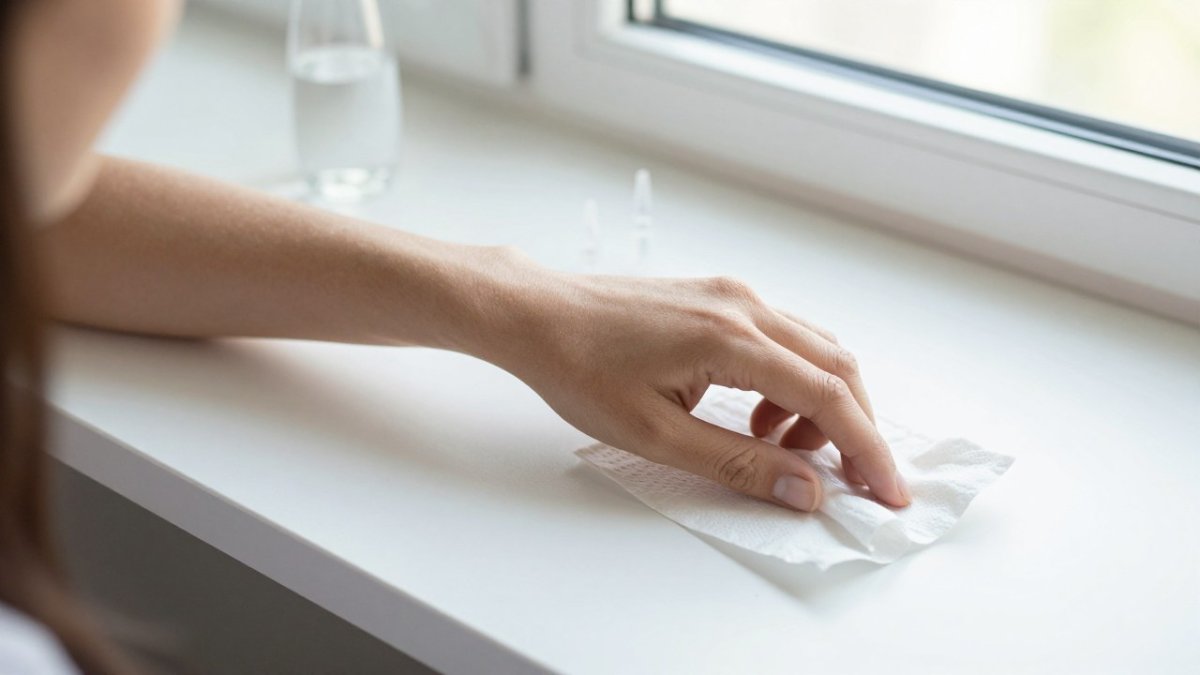
A Four-Day Testing Schedule
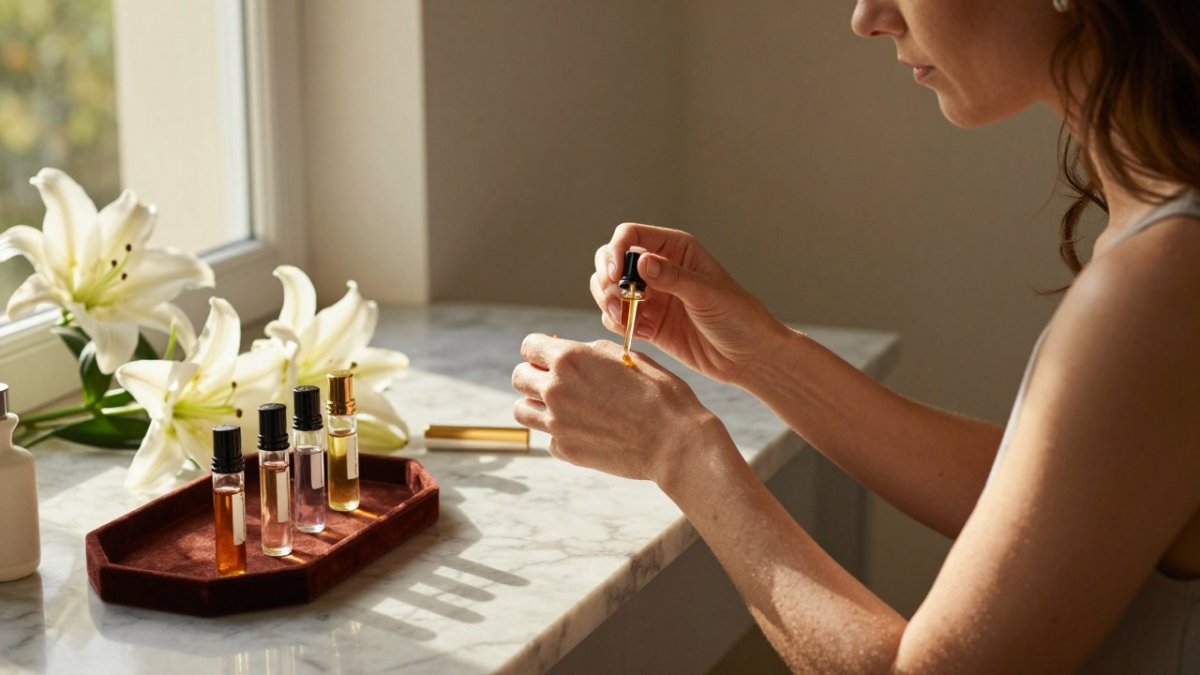
Day 1, Skin test in your normal routine. You can find the Dis Lui Extreme eau de parfum spray to examine it before running this protocol. Apply one to two sprays to your wrist or inner elbow, not a paper strip. Note the opening within the first 15 minutes, then check again at 30 minutes, 2 hours, 4 to 6 hours, and before bed. Record how the heart and base notes develop and whether the scent turns sharp, sour, or powdery on your skin.
Day 2, Clothing test. Apply one spray to a fabric you do not mind scenting, such as a cotton T-shirt or scarf, and observe how it wears over the day. Fabric holds fragrance differently from skin and can reveal whether a scent stains or clings. Keep this separate from your skin notes.
Day 3, Different context. Wear the scent for the situation you actually plan to use it in: the office, an evening out, or a weekend errand. Context changes how you perceive a fragrance, and a scent that feels right on a cool morning may feel heavy in summer heat.
Day 4, Repeat and compare. Reapply on skin and compare your notes from Days 1 through 3. If your impression is consistent across skin, clothing, and setting, you have enough evidence to decide. If it swings wildly, a second sample or a sampler kit is a better next step than a full bottle.
What to Record and How to Judge Longevity
Keep notes on opening, heart, dry-down, longevity, projection, and your gut reaction at each checkpoint. Longevity is best judged by when the scent stops being noticeable to you, not by when it disappears entirely, most people adapt to a fragrance within a few hours and stop smelling it even when others still can.
Watch out: testing on paper strips and store cards tells you how a fragrance smells in the bottle, not on your skin; treat any in-store impression as provisional until you have completed at least the Day 1 skin test.
Luxury Perfume Sample Cost: What You Actually Pay
Sample prices vary by brand, seller and sample size. Pricing depends on the sample and quantity, so check our website for current prices. Shipping and minimum order requirements can add to the true cost, so compare the total you would pay, not the sticker price alone.
When you compare sample sellers, look at the price per milliliter, the sample size, and whether the seller is an authorized retailer. Authenticity matters, since counterfeit fragrances circulate in some online marketplaces. Buy from sellers who clearly describe where their stock comes from.
Are Perfume Sampler Kits Worth the Money?
Sampler kits bundle several small fragrances into one purchase, letting you compare scents side by side. You can compare curated luxury perfume gift sets that bundle several fragrances together. A kit is especially useful when you're exploring a new fragrance style and don't yet know which direction you prefer.
The tradeoff is that you may end up with several scents you dislike. Kits work best when the bundled fragrances match your taste. Read the included scents carefully before buying, and check whether the seller credits the kit price toward a full bottle if you decide to buy one.
Skin Chemistry, Season and Context: When a Sample Misleads
A sample can mislead you, and that's the most overlooked risk in sampling. Skin chemistry plays a large role. You can read a tested guide to how long luxury evening perfumes actually last. Body heat, skin dryness, and natural oils change how a fragrance develops, so the same perfume can smell warm on one person and sharp on another.
Season and setting matter too. A heavy amber scent may feel right in winter and cloying in July. Context matters as well: a fragrance that suits an evening out may be wrong for the office. Test samples across the conditions where you plan to wear the perfume, and treat your first impression as provisional.
Deciding When a Full Bottle Is Worth It
Buy the full bottle when a sample has passed the protocol above on at least two separate days, the scent fits the situations where you'll wear it, and the cost per wear looks reasonable for how often you expect to use it. If you're still unsure after testing, a second sample or a sampler kit is usually a better next step than a full purchase.
For shoppers who want to explore, Browse our fragrance selection to see which options are available, and check our website for current prices and sizes before you decide.
Frequently Asked Questions
Are perfume testers worth buying?
Perfume testers are full-strength samples. Check our website for current tester prices. They are worth buying when you have already narrowed your choice and want to wear a scent for a full day. Testers show the same dry-down as the retail bottle, so they give a more reliable read than a paper blotter. Compare the tester price to the cost per millilitre of a full bottle before deciding, and buy from authorized sellers to avoid counterfeit or diluted product.
How many wears can you get from a perfume sample?
The number of applications from a vial depends on how many sprays you use and how strong the fragrance is. Using one spray per wrist and one on the clothing stretches a sample further. Divide the sample price by the number of wears you realistically get to calculate cost per wear, and compare that figure with the full bottle's cost per wear.
Is it smarter to buy perfume samples before a full bottle?
For most people, yes, especially with expensive or unfamiliar fragrances. A full bottle of luxury perfume can cost several hundred dollars, and a scent that smells good on a card can change on your skin within an hour. Testing a sample over a full day, in different settings, reduces the risk of a costly blind buy. Sampling is less useful if you already own and love a fragrance and only want to buy the same one again.
Are perfume sampler kits worth the cost?
Sampler kits are worth it when you want to compare several scents in one purchase, such as a set of five to ten vials. The value depends on the per-millilitre price and whether the scents are ones you would actually consider. Check whether the kit's sample sizes are large enough to test properly, and whether the brand credits the kit price toward a full bottle. Kits that include only very small vials are often poor value per millilitre.